Future Roots · Conversation with Robert Betancort

Robert Betancort on Predicting Drug Safety With AI Models of Human Organs

Robert Betancort · Co-Founder and COO, Absentia Labs

Watch on YouTube
Robert Betancort on Future Roots

Robert Betancort, Co-Founder and COO of Absentia Labs, explains how his company builds AI models that replicate human biology so drug makers can see how a compound will behave in the body before they commit years to it. The flagship model is a digital liver: a user enters a molecule's structure, route of administration, dose and frequency, and gets a full risk report in roughly 30 minutes to an hour and a half.

He also covers why the company went straight to the FDA through its ISTAND program, how new approach methodologies could reduce the reliance on animal testing, and why a 90 percent failure rate in drug development should not be treated as normal. Along the way he looks back at his first startup, a platform for researchers to answer each other's questions, and shares how he thinks about choosing investors for a deep tech company.

In Robert's words

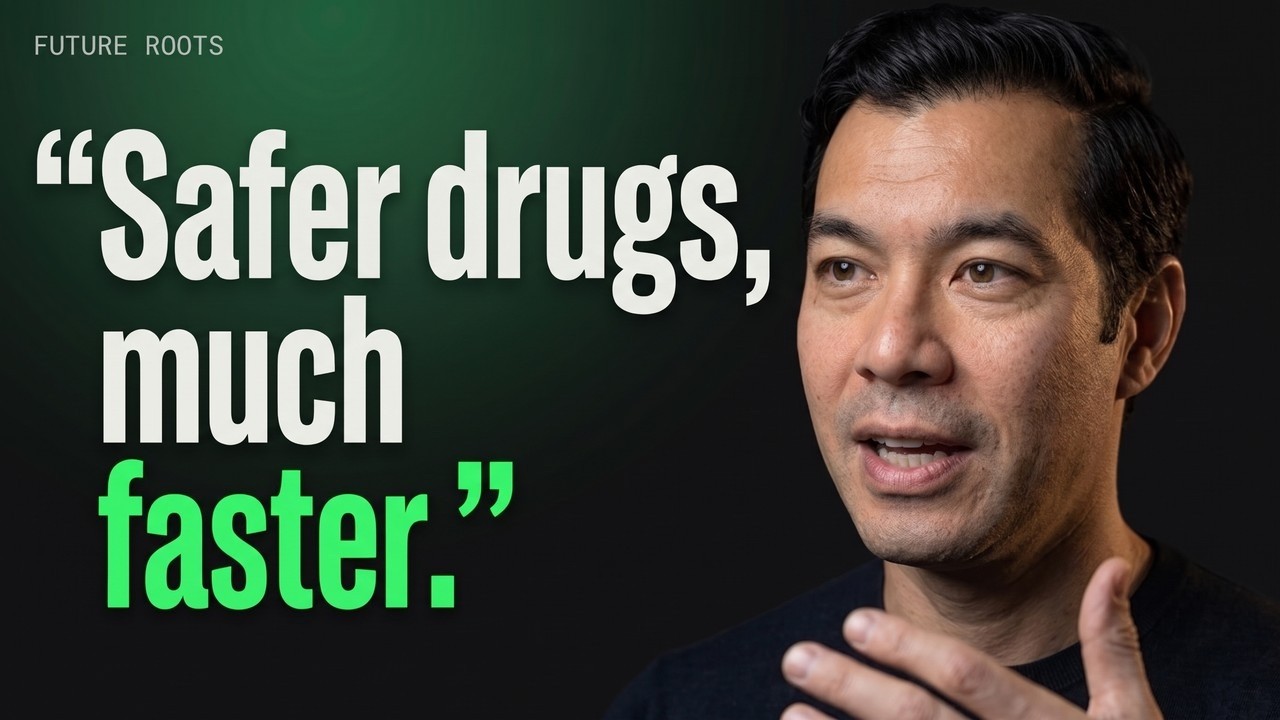
“What we're trying to do is create a mechanism that allows organizations to put out safer drugs much faster in the hands of patients that need them today.”

Robert Betancort · 22:54

“For every major drug that makes it, nine of them fail. So there's a failure rate of 90% in the drug discovery industry.”

Robert Betancort · 32:40

“We wanted to go the hard route because it is more impactful, but also it can create a real moat for us.”

Robert Betancort · 31:53

Key takeaways

  1. Absentia Labs builds AI models of human organs, starting with the liver, to predict how a new compound will behave before years of development are spent on it.
  2. Many existing toxicity models are hazard-based and binary; Absentia aims for mechanistic reasoning that answers why, when and how an injury could happen.
  3. The company chose the FDA's ISTAND program from the start because regulatory-grade software can be used in filings, which makes it more than a research-only tool.
  4. Robert says bringing a drug to market costs more than $2.5 billion and takes 12 to 15 years, and that nine of ten drugs fail, so catching bad candidates early saves tens to hundreds of millions.
  5. On fundraising, he recommends warm introductions, resilience through many no's, and partners who believe in a long-term deep tech mission.

Chapters

Questions people ask

What is Absentia Labs?
Absentia Labs is a tech bio company that develops AI models to replicate biology, more specifically human biology, and other key organisms. Its models predict how a drug candidate will interact with the body, so organizations can decide whether to move a compound forward before they commit years to a program.
Who is Robert Betancort?
Robert Betancort is Co-Founder and COO of Absentia Labs. He has worked in biotech and laboratories since 2008 and was born in Costa Rica. Before Absentia he launched a platform for researchers to collaborate on scientific questions and a consulting company that supports immigrants starting businesses.
How does the Absentia Labs digital liver model work?
A user enters four inputs: the chemical structure of the molecule, the route of exposure such as oral, intravenous or topical, the dosage, and optionally how often it is given. The model runs predictions that take about half an hour to an hour and a half, then returns a full report on the risks, including potential metabolites.
What is the FDA ISTAND program and why did Absentia Labs use it?
According to Robert, ISTAND is an FDA program, no more than about two years old, that introduces the agency to new approach methodologies. Absentia Labs used it as a route to get its platform FDA approved, because regulatory-grade software can be included in a filing rather than serving only as a research or internal tool.
Why do so many drugs fail, and how can AI help?
Robert says developing a drug costs north of $2.5 billion and takes 12 to 15 years, and that for every major drug that reaches the market, nine fail. He says Absentia Labs aims to show organizations, before they are over-committed, which compounds are unlikely to make it, saving them tens to hundreds of millions of dollars.

More conversations

Be a guest

Building what's next? Tell your story on Future Roots.

Forty-minute conversations with the investors, founders and leaders building the next twenty years.

Apply to be a guest